Stay Wild At The Beach!
Each month we will post musings and tidbits to inform, educate, and engage our members.
If you have an idea for a blog entry please reach out to us at: [email protected].
____________________________________________________________________________________________
Welcome to the Wild Ones Coastal Delaware & Maryland Chapter
-
- Resist Salt and Drought: Coastal natives like seaside goldenrod and bayberry thrive in salty breezes, intense sun, and dry sandy soils.
- Protect the Inland Bays: Native plants need far less water, fertilizer, and pesticides than conventional ornamentals, sharply reducing polluted runoff into our bays and creeks.
- Control Erosion with Deep Roots: Deep root systems anchor loose sandy soil in place and help prevent wind and water erosion.
- Support Local Wildlife & Pollinators: Co-evolved caterpillars and native bees rely on local plants for food and shelter, which in turn feeds nesting songbirds and coastal wildlife.
10/18/2026: Growing & Selecting Wildflowers
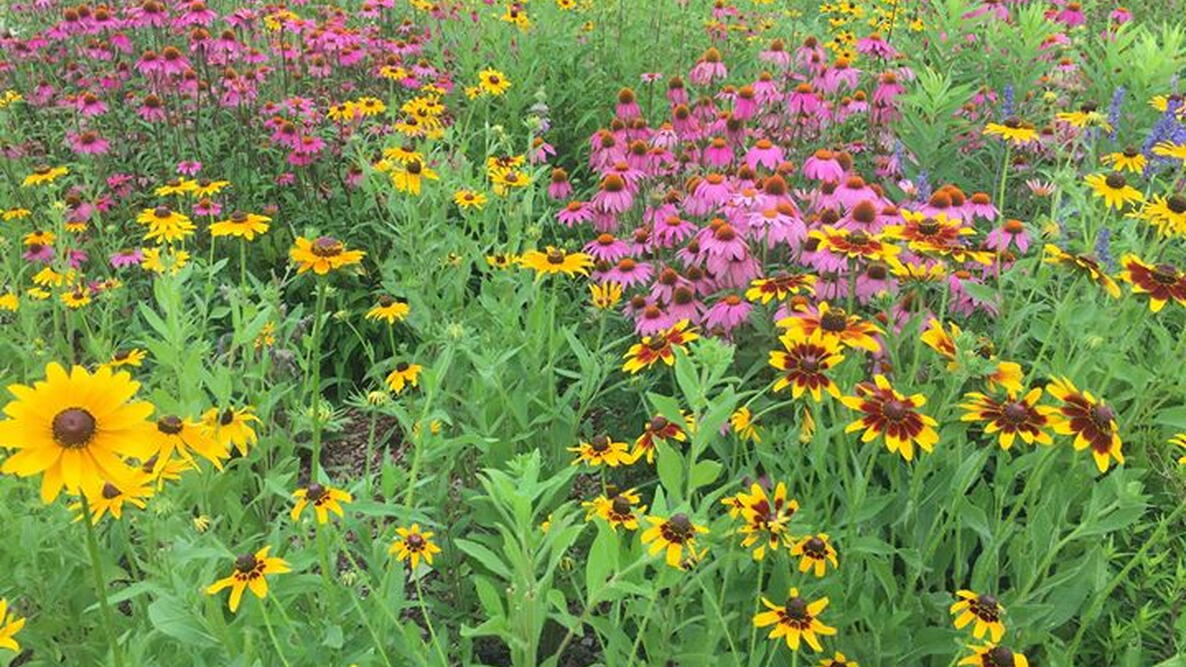
Interested in growing wildflowers? The beauty of wildflowers is they’re easy to grow, colorful from spring until fall, provide color for years with little maintenance, and attract wildlife like butterflies and other pollinators. Here are a few of our favorite wildflowers, plus growing tips:
Why Wildflowers?
- Wildflowers are resilient! There are more than 6,000 native wildflower species growing all across America. They occur naturally in their climate so they are very resilient in all weather conditions.
- Wildflowers are easy! Wildflowers are happily married to the soil and climatic conditions in which they’ve evolved! When there is a suitable match of plant and growing conditions, it’s easy.
- Wildflowers support the birds and bees! Native wildflowers are not only beautiful but also attract pollinators and nurture the landscape for birds. Without native plants and the insects that co-evolve with them, local birds and wildlife, couldn’t survive.
When To Plant Wildflowers
Wildflowers are best planted in the cooler spring. They can also be planted in the fall once it’s cooled down. The seeds of perennial flowers will germinate while annual flower seeds can lie dormant until spring.
5 Common Wildflowers Across North America
The wildflowers listed below occur all across America and, in many places, occur in vast numbers:
1. Black-Eyed Susans
A classic perennial, Black-eyed Susans (Rudbeckia hirta L.) produce golden-yellow daisy-like flower petals around a black central cone atop one- to two-feet stems. It flowers from midsummer until fall.
2. Indian Blanket
Indian Blanket (Gaillardia pulchella) is an annual that produces red, daisy-like flowers with yellow edging atop a one- to three-foot tall stem. It blooms in early summer.
3. Purple Coneflowers
A resilient perennial, purple coneflowers (Echinacea purpurea) have long-lasting, lavender-petaled flowers surrounding a prickly orange cone, atop tall (two to five-foot) stems. They flower from midsummer until frost and also naturalize easily.
4. Plains Coreopsis
An annual species, Coreopsis tinctoria has bright flowers with yellow-red petals surrounding a dark-red center. The flowers rise from long, branching stems.
5. Evening Primrose
The evening primrose (Oenothera spp.) is a night-flowering biennial with yellow flowers that opens in the evening and closes by noon. The plant completes its life cycle in 2 years, with its leaves appearing in the first year and its flowers in the second. There’s also a famous pink-flowered Showy Evening Primrose, O. speciosa., with pastel pink flowers that were a favorite of Lady Bird Johnson.
For a list of more wildflowers plus information regarding invasive wildflowers, consult the Website www.wildflowerinformation.org. You may also reference the USDA Website for a state-by-state list of noxious weeds.
11/22/2026: Native Plants Shine for Thanksgiving and through the Winter!
Native coastal plants for the Delaware Inland Bays and coastal Maryland still shine around Thanksgiving and carry structure or berries through winter. These plants include winterberry, inkberry, northern bayberry, American holly, eastern red cedar, switchgrass, and little bluestem..: ….
Shrubs & Berries for Late Fall & Winter
- Winterberry (Ilex verticillata): Drops its leaves to show bright red berries lasting into winter for birds.
- Inkberry (Ilex glabra): Evergreen holly shrub with dark berries and foliage able to handle coastal conditions well.
- Northern Bayberry (Morella pensylvanica): Salt-tolerant shrub with aromatic foliage and waxy blue-gray or purple berries to feed birds in fall and winter.
- American Beautyberry (Callicarpa americana): Arching stems hold clusters of purple berries into early winter.
- Strawberry Bush / Hearts-a-Burstin’ (Euonymus americanus): Splits capsules in fall to show bright orange-red seeds in shady spots.
Evergreens & Winter Structure
- American Holly (Ilex opaca): Evergreen tree with glossy leaves and red winter berries for wildlife.
- Eastern Redcedar (Juniperus virginiana): This tough, salt-tolerant evergreen tree adds winter screening and blue-gray cones/berries.
- Switchgrass (Panicum virgatum) & Little Bluestem (Schizachyrium scoparium): Native grasses holding golden/tan winter form and shelter overwintering insects when left standing.
- Christmas Fern (Polystichum acrostichoides): An evergreen fern staying green through winter in shaded or wooded spots.
Quick Planting & Care Notes
Check local guides: See the Delaware Native Plants fact sheet from University of Delaware Cooperative Extension or explore one of our local native plants nursery, like Inland Bays Garden Center, for cold-season shrub ideas.
Leave seed heads and stems standing: Leaving dried perennials (like asters and goldenrod) and grasses until spring gives birds winter food and insects shelter.